



In the world of international football, team nicknames often carry deep cultural meaning, national pride, and historical significance. From Brazil’s “Seleção” to Germany’s “Die Mannschaft,” these identities go far beyond simple labels—they represent legacy, passion, and connection with fans. One such distinctive nickname that frequently sparks curiosity is “Socceroos.”
If you’ve ever watched international football tournaments or followed Asian football competitions, chances are you’ve heard commentators and fans refer to the “Socceroos.” But which country does this nickname belong to, and what makes it so special?
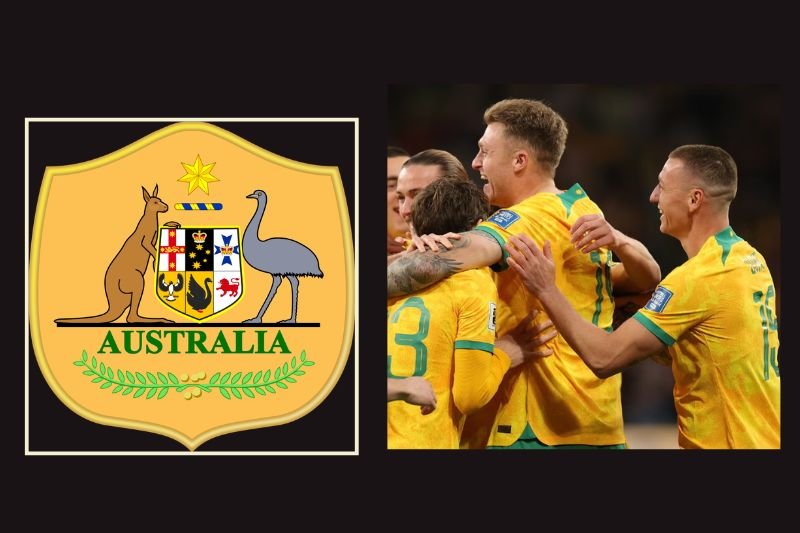
The answer is clear: the “Socceroos” is the nickname of the Australia national football team, governed by Football Australia. This unique term perfectly blends Australia’s sporting culture with its most iconic native animal—the kangaroo.
In this detailed article, we’ll explore everything you need to know about the Socceroos—from the origin of the nickname and its cultural significance to the team’s history, achievements, star players, and their growing impact on global football. Whether you’re a football enthusiast or a casual reader, this comprehensive guide will give you a deep understanding of one of football’s most recognizable identities.
What Does “Socceroos” Mean? Origin and Evolution of the Nickname
The term “Socceroos” is a clever fusion of two words: “soccer” and “kangaroos.” Kangaroos are globally recognized as a symbol of Australia, representing strength, agility, and resilience—qualities that reflect the spirit of the national team.
The nickname was officially adopted in the 1960s during Australia’s early years in international football. At a time when football was still developing in the country, the name helped create a strong identity that resonated with fans and distinguished the team on the global stage.
Unlike many traditional football nicknames that stem from language or history, “Socceroos” feels modern, creative, and uniquely Australian. It reflects not only the nation’s wildlife but also its sporting diversity, where terms like “soccer” are used to differentiate from other popular codes such as rugby and Australian rules football.
Over time, the nickname has grown into a powerful brand. Today, it’s recognized worldwide and frequently used in major tournaments like the FIFA World Cup and the AFC Asian Cup.
Also Read: Real Madrid vs Bayern Player Ratings
The Rise of the Australia National Team in Global Football
The journey of the Socceroos has been one of persistence, growth, and remarkable progress. Australia’s football history dates back to the early 20th century, but it wasn’t until the late 20th and early 21st centuries that the team began gaining international recognition.
A major turning point came when Australia transitioned from the Oceania Football Confederation to the Asian Football Confederation (AFC) in 2006. This move allowed the Socceroos to compete regularly against stronger teams, accelerating their development and improving their global standing.
The team made its historic breakthrough at the 2006 FIFA World Cup, reaching the Round of 16 for the first time. Under the guidance of legendary coach Guus Hiddink, the Socceroos showcased discipline, teamwork, and tactical brilliance.
Since then, Australia has become a consistent presence in international competitions. Their performances have earned respect from both fans and critics, proving that they are more than just underdogs—they are serious contenders.
Major Achievements of the Socceroos
Australia’s national team has achieved several milestones that have cemented its place in football history. One of the most significant accomplishments came in 2015 when the Socceroos won the AFC Asian Cup on home soil.
The final, held in Sydney, saw Australia defeat South Korea in a thrilling match. This victory was not just a trophy—it symbolized the nation’s arrival as a football powerhouse in Asia.
In addition to their Asian Cup triumph, the Socceroos have consistently qualified for the FIFA World Cup in recent years. Their ability to compete against top-tier nations has elevated their reputation globally.
Another notable achievement includes their dominance in the Oceania region before joining the AFC. During that period, Australia regularly won regional tournaments, showcasing their superiority and ambition to grow beyond their initial boundaries.
Legendary Players Who Defined the Socceroos Era
Every great team is shaped by its players, and the Socceroos are no exception. Over the years, several iconic footballers have played a crucial role in building the team’s legacy.
One of the most celebrated figures is Tim Cahill, known for his incredible goal-scoring ability and leadership. Cahill’s performances in World Cups, especially his stunning goals, remain unforgettable moments for fans.
Another key player is Mark Viduka, a powerful striker who captained the team during important tournaments. His contributions helped Australia compete at the highest level.
Midfield maestro Mile Jedinak also played a vital role, bringing stability and tactical awareness to the squad. His leadership during the 2018 World Cup was particularly noteworthy.
In recent years, players like Mathew Leckie and Aaron Mooy have continued the tradition, ensuring that the Socceroos remain competitive on the global stage.
Playing Style and Tactical Identity
The Socceroos are known for their physical strength, disciplined defense, and high work rate. Unlike some teams that rely heavily on flair and creativity, Australia emphasizes teamwork, structure, and resilience.
This approach reflects the broader Australian sporting culture, where determination and effort are highly valued. The team often adopts a balanced style, combining defensive solidity with quick counter-attacks.
Coaches over the years have adapted tactics to suit modern football trends. From the structured approach under Guus Hiddink to more flexible systems in recent times, the Socceroos have evolved significantly.
Their ability to adapt has been crucial in facing diverse opponents across continents, especially after joining the AFC, where playing styles vary widely.
Fan Culture and National Support
Football in Australia has grown rapidly, and the Socceroos have played a central role in this expansion. The team enjoys strong support from fans who passionately follow their journey in international tournaments.
Matches often see large crowds, with fans waving flags, wearing green and gold colors, and chanting in unison. The nickname “Socceroos” itself has become a rallying cry, symbolizing unity and national pride.
Social media has further amplified fan engagement. Platforms are filled with discussions, match reactions, and support for players, making the Socceroos a trending topic during major events.
The team’s success has also inspired a new generation of players, contributing to the development of grassroots football across the country.
The Socceroos in Modern Football: Challenges and Opportunities
Despite their success, the Socceroos face several challenges in modern football. Competing against stronger Asian teams and maintaining consistency at the global level requires continuous improvement.
Youth development remains a key focus area. Investing in academies and nurturing young talent is essential to ensure long-term success. Australia is actively working to strengthen its football infrastructure and scouting systems.
Another challenge is balancing domestic leagues with international commitments. The growth of the A-League has provided a platform for local talent, but competing with European leagues for player development remains an ongoing task.
However, opportunities are equally abundant. With increasing global exposure, better training facilities, and growing fan support, the Socceroos are well-positioned to achieve greater success in the coming years.
Why the Nickname “Socceroos” Matters
The nickname “Socceroos” is more than just a catchy term—it represents identity, culture, and pride. It connects the team to Australia’s heritage while giving it a unique presence in international football.
In a sport where tradition often dominates, the Socceroos stand out for their modern and creative identity. The name has become synonymous with determination, resilience, and ambition.
For fans, it’s a symbol of belonging. For players, it’s a badge of honor. And for the world, it’s a reminder of Australia’s growing influence in football.
Also Read: Biggest Comeback in NBA History: Top 10 Most Unbelievable Turnarounds (2026)
Conclusion: A Symbol of Australian Football Excellence
So, which country’s team is nicknamed the Socceroos? The answer is Australia—and the story behind this nickname is as fascinating as the team itself.
From humble beginnings to becoming a respected force in international football, the Socceroos have come a long way. Their journey reflects not just sporting success but also the evolution of football in Australia.
With a strong foundation, passionate fans, and a commitment to growth, the Socceroos are set to achieve even greater heights in the future. Whether it’s the FIFA World Cup or the AFC Asian Cup, one thing is certain—the Socceroos will continue to represent Australia with pride and determination.